B Letter Cap Design: A Designer’s Real-World Review
First Impressions: Clean, Classic, and Versatile
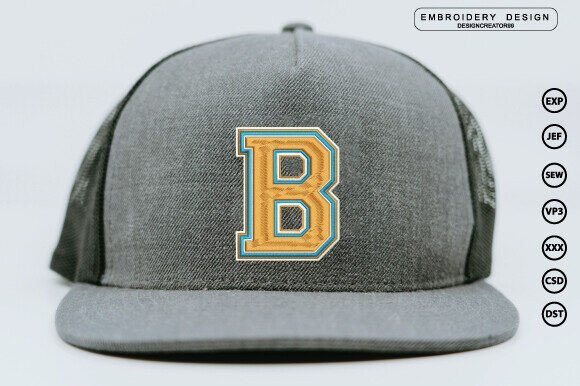
The first time I opened the B Letter Cap Design file, I was struck by its simplicity and elegance. It's a monogram-style letter "B" that carries a balanced mix of satin and fill stitches, giving it a polished yet not overly fussy look. The design feels like it was made for both modern and traditional tastes — a great fit for embroidery designers who want to offer a refined but approachable aesthetic.
Visually, it leans toward a timeless feel, which makes it ideal for projects that need to feel personal without being trendy. It's the kind of design you could stitch onto a baseball cap for a client and also use on a baby onesie without feeling like you're stretching its purpose.
Real-World Use: From Caps to Custom Totes
I recently tested the B Letter Cap Design on a custom embroidered tote bag for a boutique client. It stitched cleanly on medium-weight cotton canvas with minimal thread breaks and no skipped stitches. The satin borders held their shape well, and the fill areas were even and smooth. The client loved the subtle sophistication it added to the product — it gave the tote a boutique-level finish without looking mass-produced.
I also tried it on a baseball cap, which is one of the trickier surfaces for embroidery due to the curve and thickness of the fabric. With a little extra stabilizer underneath, the design came out cleanly. The letter "B" stood out without overpowering the cap, which is important for wearable items where subtlety often sells better than flash.
Another test was on a baby onesie — a stretchy knit fabric that can be a nightmare for dense embroidery. I was cautious but pleased with how the B Letter Cap Design held up. It's not overly dense, so it didn't pucker the fabric, and the satin edges didn’t irritate the baby’s skin, which is always a concern with baby embroidery.
Where It Shines — And Where to Be Careful
This design works well on a variety of items: caps, hats, t-shirts, and even home decor like pillow covers. It has a clean layout that translates well across different products, especially when you're aiming for a personalized touch without going overboard. It's especially strong for small shop products and Etsy sellers looking to offer a high-end look without complex stitching.
That said, there are a few situations where I’d use it with caution. On very small hoop sizes, the letter might lose some of its detail, especially in the corners. If you're doing a tiny patch or a keychain, test it on scrap fabric first. Also, dark fabrics can sometimes mute the design, depending on thread color — I recommend checking how it looks in black and white mockups before committing.
It’s also worth noting that while the design holds up well on smooth surfaces, curved or layered garments like thick hoodies or double-layered baby caps might need extra stabilizer to prevent distortion. I wouldn’t recommend it for ultra-thin or stretchy fabrics unless you’re confident in your stabilizer game.
Impact on Product Value and Customer Perception
From a design business standpoint, the B Letter Cap Design adds value to finished products without requiring a lot of extra effort. It reads as professional and intentional, which helps build customer trust — especially for Etsy sellers and craft entrepreneurs who rely on perceived quality.
I used it in a small batch of personalized sweatshirts for a local boutique, and the response was great. Customers appreciated the clean look and the fact that it wasn’t too flashy. It gave the sweatshirts a subtle branding effect, which is huge for small shop products trying to stand out without looking generic.
It also works well for gift items. I stitched it onto a set of holiday tea towels for a holiday craft fair, and several customers mentioned how “elegant” and “custom” they looked. That’s a win for anyone selling handmade or personalized gifts — especially around the holidays when presentation matters.
Designer Notes: What to Check Before You Stitch
If you're considering using B Letter Cap Design in your next embroidery project, here are a few practical notes from my testing:
- Test on scrap fabric first — especially if you're using it on stretchy or textured materials.
- Check thread color contrast — some colors may blend too much on dark or patterned fabrics.
- Review stitch density — it’s moderate, which is good for most fabrics, but be cautious on thin or stretchy materials.
- Confirm hoop size — make sure it fits your machine and the intended product area.
- Inspect small details — the corners of the "B" might not stitch cleanly on very small hoops.
- Try black and white mockups — this helps visualize how the design will look on light and dark backgrounds.
- Use proper stabilizer — especially for curved or layered garments like caps and hoodies.
- Confirm licensing — if you're selling finished items or digital embroidery files, make sure the design allows for commercial use.
Final Thoughts: A Reliable Design for Real Projects
Overall, the B Letter Cap Design is a solid choice for embroidery designers and small business owners looking to offer a clean, professional monogram-style design. It’s versatile enough to work on a variety of products, from caps to home decor, and it holds up well in real embroidery conditions.
Whether you're creating personalized gifts, boutique apparel, or digital embroidery files for resale, this design gives you a dependable foundation that looks intentional and well-executed. Just remember to test it on your intended fabric and double-check licensing before offering finished products for sale.